
- Mac Os X Software Update Download Location Settings
- Mac Os X Software Update Download Location Tracker
Check if your device is compatible with OS X EI Capitan update and install OS X 10.11.6/10.11.4 to your MacBook/iMac. Create the swscan.apple.com DNS zone on your internal DNS server, and have it resolve via an A record to your Mac OS X Server. On the Mac OS X Server itself, edit the /etc/hosts file and add the actual IP address for swscan.apple.com so that it doesn't resolve back to itself. But when it comes to macOS software updates, the Mac App Store is really just a front end for a UNIX command, and fans of the Mac’s Terminal can actually use this command to update their Mac.
Mac Os X Software Update Download Location Settings
How to: Reset the Software Update URL in OS X
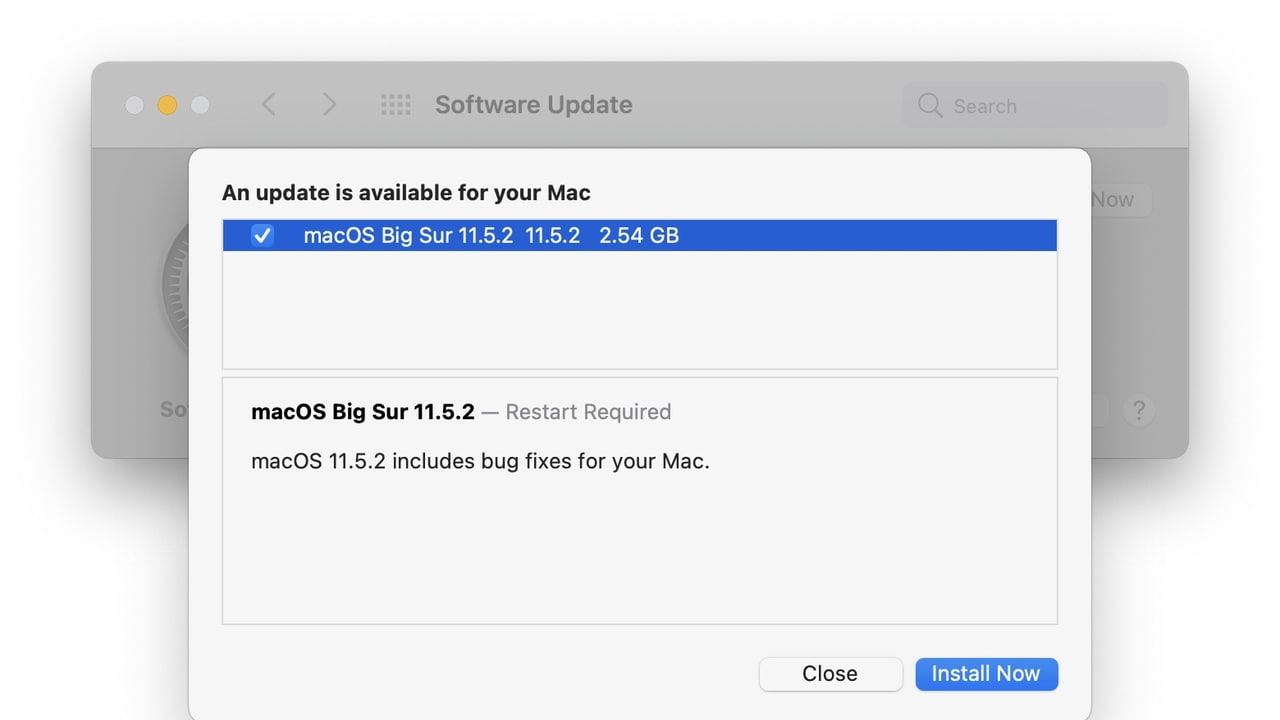

Sometimes you may find that your Mac OS X installation has an old URL for the software update service in its preferences, which may mean that you can’t successfully run the Software Update tool under the Apple menu. In my case, I got my Mac from my university and the update server was set to some internal server in their organisation. This server didn’t seem to have the latest updates, and half of the time I couldn’t even connect to it. Best torrent client ubuntu mate.
From various searches around the internet I found the following process to reset the update server URL to the default: Vlc player for mac os x 10 6 8.
- Open the /Library/Preferences folder on the main hard drive.
- Find the com.apple.SoftwareUpdate.plist file and move this to the desktop (the easiest way is just to drag and drop the file to the Desktop). If you find a similar file with a .apple at the end (com.apple.SoftwareUpdate.plist.apple) then move that too. Moving them to the desktop means that you can restore them if this goes wrong.
- Run the Software Update tool (Software Update on the Apple menu on the top left of the main menu bar)
- It should all work fine! If not, then you can always restore the files that you put on the desktop (just move them back to /Library/Preferences)
Categorised as:Computing, How To, OSX
The <blahs> appear to be some hash of either the computer or the software being downloaded. Try the following:
Open a Terminal
sudo find /private -name ' SomePartOfTheDriverNameYouAreLookingFor' -print
then sudo cd <the directory shown above>
Note I don't see /private in finder because of the permissions on it (hence the need for sudo above).
Also note, I had one directory in <blah> named -Cache- which is tricky to cd into because the leading - is perceived as an argument to cd, so I just cd into the entire directory path instead.
Finally, be wary doing things as root (sudo) as you can end up damaging your OS (so don't go around removing files you are not sure about)
Mac Os X Software Update Download Location Tracker
May 31, 2009 9:05 AM